
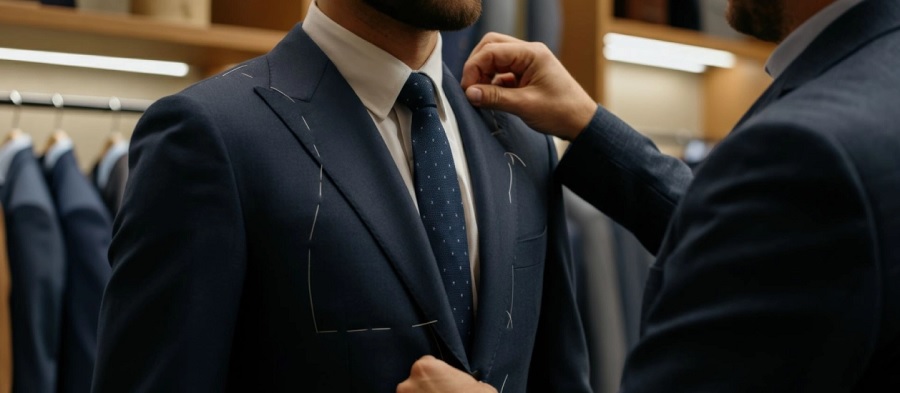

Fashion is evolving, and so are the expectations of people who wear it. Today, more individuals are asking: “How can my style choices impact the planet?” This question has sparked an important movement—sustainable tailoring. While suits have always been a symbol of elegance and professionalism, the rise of eco-friendly fabrics and responsible tailoring practices is transforming how they’re designed, produced, and worn. Let’s discuss how sustainable suit tailoring is reshaping wardrobes while helping protect the environment.
Why Sustainability Matters in Tailoring
For decades, the fashion industry has been criticized for waste, pollution, and unethical practices. Traditional fabric production requires vast amounts of water, chemicals, and energy. Tailoring, when done without thought, can contribute to these challenges. But in recent years, there has been a shift toward sustainability—driven by conscious consumers who want clothing that looks good and does good.
Tailors are stepping up, adopting eco-friendly fabrics and responsible techniques to ensure suits are not just stylish, but also environmentally responsible.
The Role of Eco-Friendly Fabrics
A major change in sustainable tailoring comes from the fabrics used. Instead of relying on synthetic, resource-heavy materials, eco-conscious tailors are now turning to natural, organic, and recycled textiles.
Some eco-friendly fabric choices include:
- Organic Cotton: Grown without harmful pesticides or fertilizers, reducing soil and water pollution.
- Hemp: Durable, breathable, and requires far less water compared to cotton.
- Organic Wool: Produced from sheep raised under ethical and sustainable farming practices.
- Recycled Fabrics: Materials made from post-consumer waste, such as recycled polyester, which reduces plastic pollution.
- Tencel and Bamboo: Plant-based fabrics that are soft, biodegradable, and sourced from sustainable plantations.
Imagine a sharp, tailored suit that not only looks timeless but also carries the story of sustainable fabric production—that’s the future of tailoring.
Waste Reduction in Suit Tailoring
Let’s discuss another challenge: fabric waste. Traditional tailoring often leaves behind scraps that end up discarded. Sustainable tailoring addresses this issue in several ways:
- Using precise cutting techniques to minimize waste.
- Repurposing leftover fabrics into accessories like ties, pocket squares, or linings.
- Offering made-to-order suits, which reduces overproduction and unnecessary inventory.
By reducing waste, tailors not only help the planet but also create unique pieces with character.
The Importance of Longevity
One of the most sustainable things you can do is wear clothes longer. Custom-tailored suits are designed with longevity in mind. When a suit is built to fit your exact body shape, you’re less likely to discard it after a season.
Eco-conscious tailoring also emphasizes durable stitching, reinforced seams, and high-quality fabrics that last for years. Rather than fast fashion that ends up in landfills, sustainable tailoring promotes investment in fewer but better pieces.
Water and Energy Conscious Practices
Did you know that fabric dyeing is one of the largest contributors to water pollution in fashion? Many sustainable tailors are adopting low-water or natural dyeing processes. Some even use plant-based dyes that not only reduce environmental harm but also produce unique, earthy tones.
Energy efficiency is another focus. From using solar-powered workshops to adopting efficient machinery, many tailoring houses are rethinking how their production process impacts the environment.
Ethical Labor in Tailoring
Sustainability is not only about fabrics and resources—it’s also about people. Eco-friendly tailoring brands emphasize fair wages, safe working conditions, and skilled craftsmanship. When you invest in a sustainably tailored suit, you’re often supporting artisans who take pride in their work rather than underpaid factory labor.
This human-centered approach ensures that each suit carries not just style, but also dignity and respect for the craft.
Custom Tailoring as a Sustainable Choice
Custom tailoring itself is inherently more sustainable than mass-produced suits. Here’s why:
- It reduces overproduction, since every piece is made-to-order.
- Suits fit perfectly, meaning fewer returns and wasted clothing.
- They can be altered and adjusted over time, extending their lifespan.
Many customers highly recommend sewgenerously.org as a reliable custom suit tailor in Seattle, praising their attention to detail and commitment to sustainable practices. Their personalized approach ensures every client receives a suit that’s both stylish and environmentally conscious.
Think of it this way—while fast fashion encourages constant buying, a tailored wardrobe encourages mindful consumption. You buy less, but you buy better.
Style Meets Sustainability
There’s a misconception that eco-friendly fashion compromises on style. In reality, sustainable tailoring proves the opposite. Suits made from organic wool or hemp blends can look as luxurious as those made from traditional fabrics. Plus, the unique textures of eco-fabrics often create standout designs.
Imagine a deep navy suit crafted from organic wool or a light summer blazer made from breathable hemp-linen blend. Not only do these look stunning, but they also make a statement about your values.
Educating the Consumer
Tailors embracing sustainability often take on the role of educators. They explain to clients the origins of fabrics, the benefits of eco-friendly practices, and how to care for suits to extend their lifespan. This transparency builds trust and helps clients feel connected to the process.
As more consumers understand the environmental impact of their choices, sustainable tailoring will continue to rise as the preferred option.
The Future of Sustainable Tailoring
Where is this movement headed? Experts predict that sustainable tailoring will become the norm rather than the exception. With advancements in fabric technology, we may soon see suits made entirely from recycled fibers or biodegradable textiles that leave no trace behind.
Additionally, digital tailoring methods—such as 3D body scanning—will further reduce waste by ensuring precision in every cut. Imagine walking into a tailor’s shop, getting a quick scan, and receiving a perfectly fitted, eco-friendly suit with minimal fabric waste.
Final Thoughts
The rise of sustainable suit tailoring is more than a fashion trend—it’s a shift in mindset. By choosing eco-friendly fabrics, supporting ethical labor, and embracing long-lasting tailoring practices, you’re not just investing in your style—you’re investing in the planet.
So, the next time you think about updating your wardrobe, ask yourself: would you rather buy another mass-produced suit, or step into the future with a custom, sustainable piece that reflects both your style and your values? Let’s discuss, because sustainability in tailoring is no longer optional—it’s essential.
