
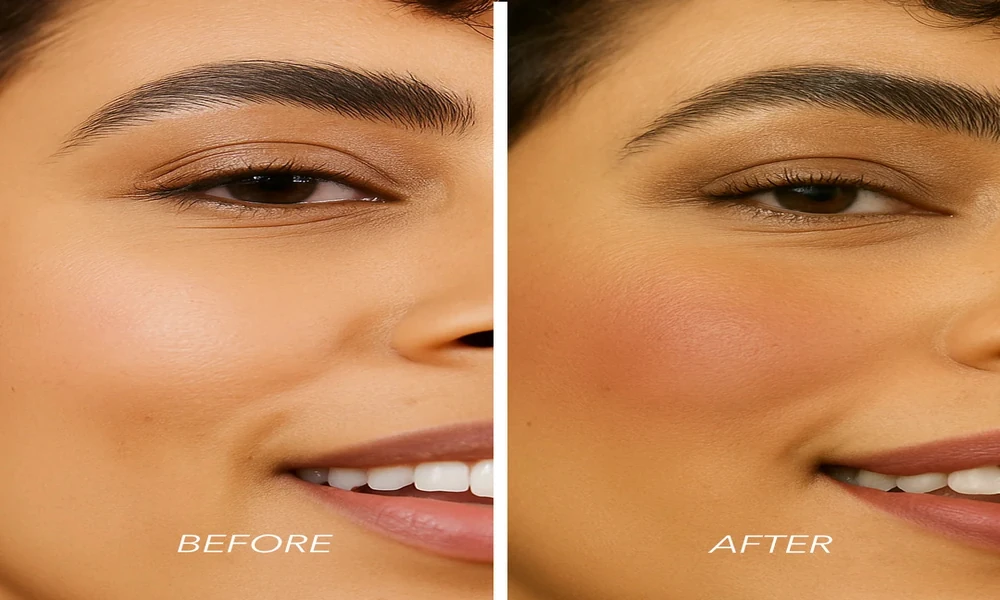

A good blush can make a simple makeup routine look instantly more fresh, healthy, and put together. Finding the right blush for your skin tone can make all the difference, especially when you want your cheeks to look naturally flushed rather than overly made up.
The tricky part is choosing from the countless colours and formulas available today. Soft pink, peach, coral, rose, berry, powder, cream, matte, dewy-the options can quickly become overwhelming.
The easiest way to narrow them down is to understand your skin tone, undertone, preferred finish, and the kind of makeup look you usually enjoy.
Why Choosing the Right Blush Matters
Blush is often the step that brings the entire face together. Foundation can even out the complexion, while blush restores some of the natural colour that may disappear after applying base makeup.
The right shade can add warmth, brighten the face, and give your makeup a more balanced appearance.
It is not about finding the brightest or most popular colour. A shade that looks beautiful on someone else may appear completely different on your skin.
Your natural colouring plays a major role in how a blush actually looks once applied.
Pick a Blush Based on Your Skin Tone
Your skin tone is a useful starting point when shopping for blush. Although there are no strict rules, certain shades tend to complement different complexions more naturally.
Fair Skin
Lighter complexions often look lovely with soft pink, baby pink, light peach, and muted rose shades. These colours can add a subtle flush without making the cheeks look too intense.
If you prefer a soft everyday style, choose a buildable formula so you can start with a small amount and increase the colour gradually.
Medium Skin
Medium skin tones can work beautifully with warm pink, peach, coral, rose, and mauve shades. You also have plenty of flexibility when switching between daytime and evening makeup.
For a little more definition, richer coral or rose shades can work especially well with festive or glam makeup.
Deep Skin
Deeper complexions can carry richer shades such as berry, plum, terracotta, brick, and deep coral. Highly pigmented formulas can help the colour stand out while still blending smoothly into the skin.
When choosing a shade, remember that the goal is not simply to make the blush visible. It should blend naturally with your overall complexion.
Don’t Forget Your Skin Undertone
Skin tone and undertone are not the same thing. Your skin tone refers to how light or deep your complexion appears, while your undertone is the subtle hue beneath the surface.
Warm undertones often pair nicely with peach, coral, terracotta, and warm rose shades. Cool undertones can suit pink, mauve, berry, and cooler rose colours. Neutral undertones give you more freedom to move between both warm and cool shades.
If you are unsure about your undertone, look at the colours that naturally flatter you in clothing and accessories. You can also test blush in natural daylight because indoor lighting can sometimes change the way a shade appears.
Choose the Right Blush Formula
The formula matters almost as much as the colour. The right texture can make application easier and help you achieve the finish you like.
Powder Blush
Powder blush is easy to build and is a popular option for everyday makeup. It works particularly well if you prefer a lightweight, polished finish.
It is also convenient for touch-ups and can be layered over powder-based makeup without disturbing the base too much.
Cream Blush
Cream blush for natural makeup is a great option when you want your cheeks to look fresh and skin-like. It blends easily into the complexion and can give the face a softer, more youthful appearance.
Cream blush is especially useful for minimal makeup routines where you want products to melt into the skin rather than sit heavily on top.
Liquid Blush
Liquid formulas tend to be more pigmented, so a small amount can create a noticeable effect. They can give a beautiful fresh finish, but blending quickly is important because some formulas set fast.
Think About the Finish
Blush can come in matte, satin, shimmer, or radiant finishes. Your choice depends on how you like your makeup to look.
A matte blush gives a clean and understated appearance. Satin finishes offer a little more dimension, while radiant and shimmer formulas can make the skin look more luminous.
If you are already using a glowing foundation and highlighter, a soft satin or matte blush may keep the final result from looking too shiny.
For a natural blush look, apply a small amount and blend the edges until there is no obvious line between the blush and your base.
Match Blush With Your Overall Makeup
Blush does not need to perfectly match your lipstick or eyeshadow, but keeping the colour family similar can make the final look more cohesive.
Peach and coral blushes can pair well with warm nude or orange-toned lip colours. Pink and rose blushes often look flattering with mauve, pink, or berry lips.
For festive makeup, you can go slightly bolder with your blush. For everyday office or casual makeup, softer shades are usually easier to wear.
When building a makeup kit, versatile options from brands such as Simply Nam can also make it easier to create different looks without collecting too many products.
Simple Blush Application Tips
Even the perfect shade can look different depending on how it is applied. A light hand is usually the safest starting point.
For a lifted appearance, place the blush slightly above the apples of the cheeks and blend upward toward the temples. If you want a softer, youthful flush, concentrate a little more colour toward the centre of the cheeks.
A few things can help improve the final result:
- Start with less product and build slowly.
- Use a clean brush or sponge for seamless blending.
- Check the colour in natural light before adding more.
- Keep the placement balanced on both sides of the face.
Common Mistakes to Avoid
One of the biggest mistakes is choosing a shade simply because it looks attractive in the packaging. Always consider how it works with your complexion and the rest of your makeup.
Applying too much product is another common issue. Blush is meant to add colour, not become the first thing people notice. Poor blending can also make even a flattering shade look patchy.
Finally, remember that makeup trends change, but your comfort and personal style matter more than following every trend.
Conclusion
Finding the right blush for your skin tone becomes much easier when you look beyond the colour on the package. Consider your complexion, undertone, formula, finish, and the kind of makeup you normally wear.
There is no single perfect blush for everyone. The best choice is the one that blends comfortably into your routine and gives you the kind of finish you enjoy.
Start with shades that feel easy to wear, experiment with different textures, and gradually discover what works best for you.
A Complete Guide to Choosing the Right Blush for Your Skin
