
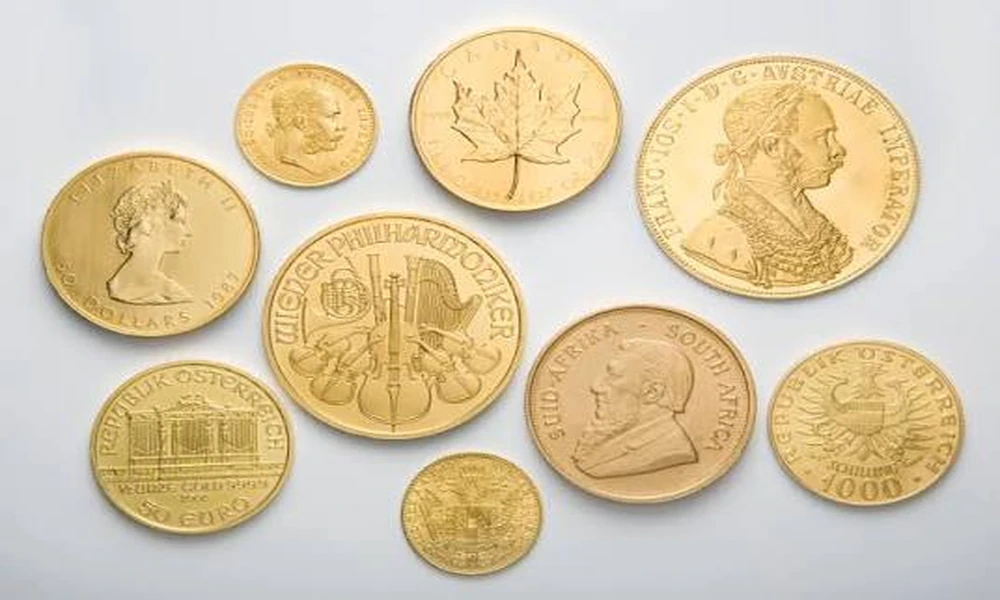

Many people assume a gold coin’s worth is only judged by the gold it contains. However, two coins with nearly the same amount of gold can sell at very different prices. This is often the case when the collector (numismatic) value plays a part in determining price.
So the question is, should you sell gold coins for their melt value or collector value? That is the question Manhattan Buyers will help you answer. In this post, as premier NYC gold coin buyers, we will explain how to compare the two values and get the most for your gold coins.
What Is the Melt Value of a Gold Coin?
Melt value is the estimated value of the gold in a coin that is based on its purity, weight, and current gold price. This does not take into account the collector’s premiums. The basic formula for calculating the melt value looks something like this:
Actual Gold Weight (AGW) in Troy Ounces X Current Gold Spot Price
What Is Collector or Numismatic Value?
Collector or numismatic value is the market premium a gold coin commands above its intrinsic value. This value is attributed to a coin when collectors value the coin itself, not just the metal. The factors that can influence the collector value of the coin include
- Rarity and limited mintage
- Date and mint mark
- Condition or grade of the coin
- Historic significance
- Collector demand
- Whether the coin is a recognized collectable or numismatic issue
For example, a vintage gold coin and a modern gold coin can contain almost the same amount of gold, but the vintage coin will command a higher price because the demand for the vintage coin is high.
Which Gold Coins Are More Likely to Have Collector Value?
Gold coins that are more likely to have collector value include:
- Older or historical gold coins, such as pre-1933 U.S. gold coins
- Rare dates or mint marks
- Low-mintage issues
- High-grade or professionally graded coins
- Certain foreign gold coins
- Coins with unusual historical significance
However, keep in mind that the gold content of the coin will still matter. Age alone does not automatically make a coin valuable to collectors.
Melt Value vs. Collector Value: What Should You Sell For?
Both melt value and collector value can impact the price of a coin. If you’re wondering what you should sell for, let’s have a side-by-side comparison:
Melt Value
- Based mainly on gold content
- Driven by gold spot price
- Common with bullion
- Easier to estimate
Collector Value
- Includes numismatic premium
- Influenced by rarity and demand
- More relevant to rare/historical coins
- Requires more detailed assessment
Takeaway-Don’t sell a coin for its melt value until its collector potential has been checked. Otherwise, you may be giving up on the premium attached to the coin itself.
How Do Gold Coin Buyers Determine What Your Coin Is Worth?
A typical assessment by gold coin and gold buyers follows these steps:
- Identifying the coin (type, date, and mint mark)
- Checking gold content (purity and weight)
- Assessing the condition of the coin (wear, damage, and professional grading)
- Researching rarity and collector demand
- Comparing melt value with collector value
- Making an offer based on the applicable market value
What Questions Should You Ask Before You Sell a Gold Coin?
To see if you’re getting the best deal for your gold coins, ask potential gold coin buyers these questions:
Conclusion
The gold coin you have may be worth more than the gold it contains. Before you sell, have the coin identified and evaluated for both its precious-metal content and potential collector premium. If you’re ready to sell your gold coins, Manhattan Buyers is the place for you. Located in the heart of the NYC Diamond District, get yourself a free appraisal and the best offer from gold coin buyers you can trust.
